Evidence-based information about nutrition science, physical activity, metabolic processes, and healthy lifestyle habits.
Educational content only. No promises of outcomes.
Body composition refers to the relative proportion of different components that make up total body weight. These components include muscle tissue, fat tissue, bone, and water. Understanding body composition provides deeper insight than weight alone, as it accounts for the structural and functional differences in tissue types.
This knowledge framework helps individuals appreciate how different factors influence physical health and metabolic function, independent of external pressure or aesthetic concerns. The study of body composition is rooted in scientific inquiry into human physiology and functional capacity.
Explore Further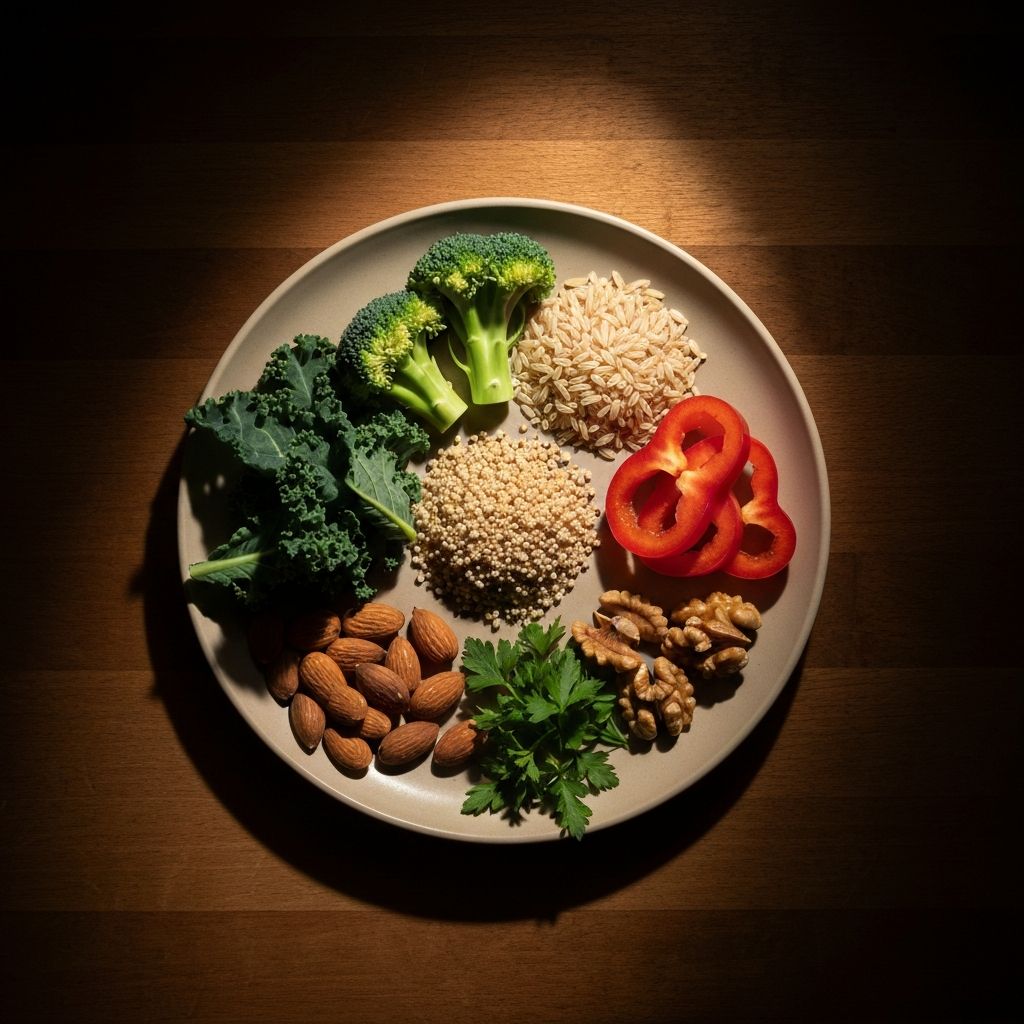
General information on balanced eating, macronutrients, micronutrients, and their roles in supporting bodily functions and health.
Learn MoreGuidelines on moderate movement, functional fitness, and how regular activity supports overall health and metabolic processes.
Learn MoreUnderstanding how the body converts nutrients to energy and the various factors that influence metabolic function.
Learn More
A comprehensive understanding of body composition extends beyond isolated metrics. It encompasses the interconnected roles of nutrition, physical activity, sleep quality, stress management, hydration, and psychological wellbeing.
This integrated perspective recognizes that sustainable health outcomes result from consistent, balanced habits across multiple life domains, rather than singular interventions or restrictive approaches.
Comprehensive overview of macronutrients, micronutrients, dietary patterns, and the science behind balanced eating approaches.
The biological systems that regulate energy production, nutrient processing, and systemic equilibrium.
Clarification of widespread myths and evidence-based corrections to support informed decision-making.
Practical frameworks for understanding how various habits contribute to long-term health and functional capacity.
The evolution of nutritional science and how research has shaped contemporary understanding of body composition.
Recognition of genetic, environmental, and personal factors that create diversity in health outcomes and biological function.
The materials on this site are for informational purposes only. They do not constitute individual recommendations, acknowledge the diversity of approaches in everyday life, and are not a substitute for personal decisions or professional advice. This site provides educational content explaining scientific concepts and does not make promises about health outcomes.